What Makes a Retreat Truly Sustainable? Inside Kaura’s Practices
Beyond the Buzzword
Sustainability has become one of the most overused words in travel. But what does it really mean? At Kaura Bali, sustainability isn’t just about solar panels or recycled paper straws, it’s about a holistic way of living that honours people, place, and planet.
Rooted in Organic Farming
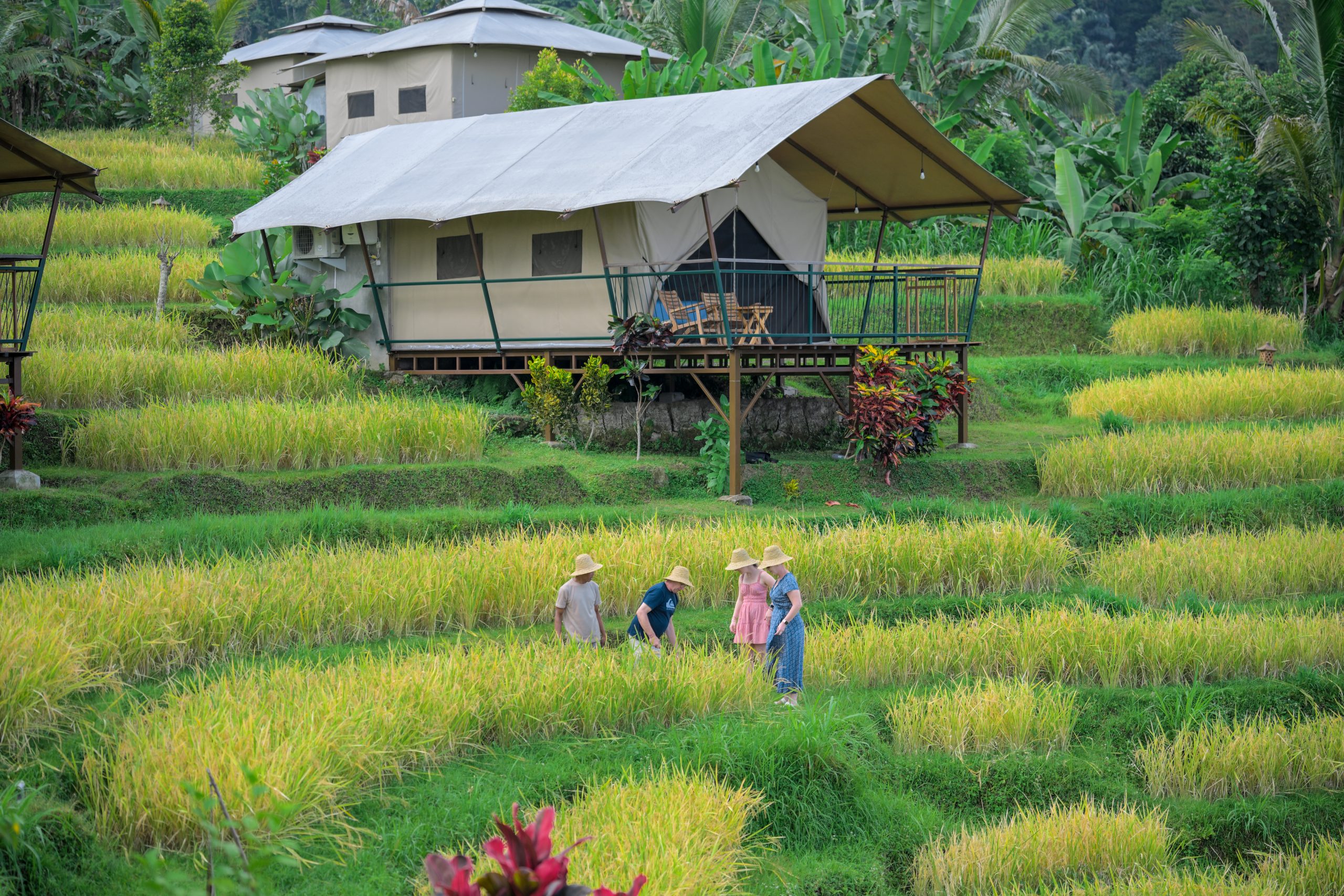
The foundation of Kaura’s sustainability is the land itself. By helping the Manggis community transition to organic farming, Kaura supports healthier soils, cleaner waterways, and chemical-free crops. Guests can join farmers in the fields, planting, harvesting, and experiencing firsthand what sustainable food systems look like.
Empowering Local Communities
A truly sustainable retreat uplifts the community it calls home. At Kaura, nearly all team members are from the surrounding villages, and projects like Bakung Asri empower women to take on leadership roles and entrepreneurial ventures. Sustainability here means shared prosperity, not just reduced impact.
Built Lightly, Living Gently
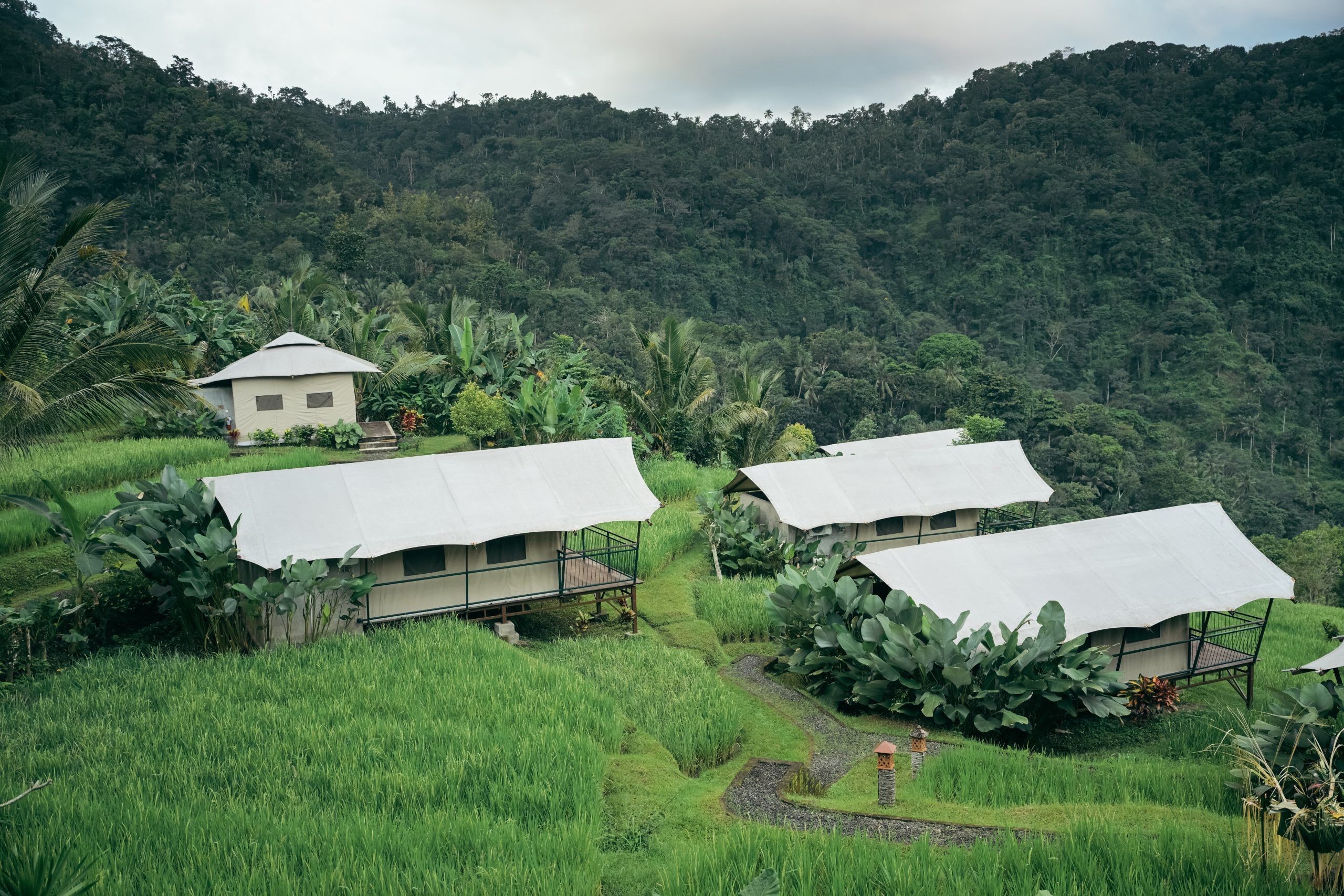
From the design of the pavilions to the amenities inside them, Kaura’s accommodations are created with locally sourced materials and natural ventilation to reduce energy use. Every detail, from bamboo architecture to handmade organic bath products, reflects a commitment to tread lightly while enhancing comfort.
Cultural Sustainability
Equally important is the preservation of culture. Through immersive experiences, cooking, weaving, temple ceremonies, Kaura ensures that traditions are not only maintained but passed on to future generations. This is sustainability of spirit as well as environment.
A sustainable retreat isn’t one that does less harm; it’s one that does more good. At Kaura, every choice supports a cycle of renewal for both guests and the community.