Rice Terraces in Bali: Culture, Water & The Subak System
A Landscape Shaped by Water
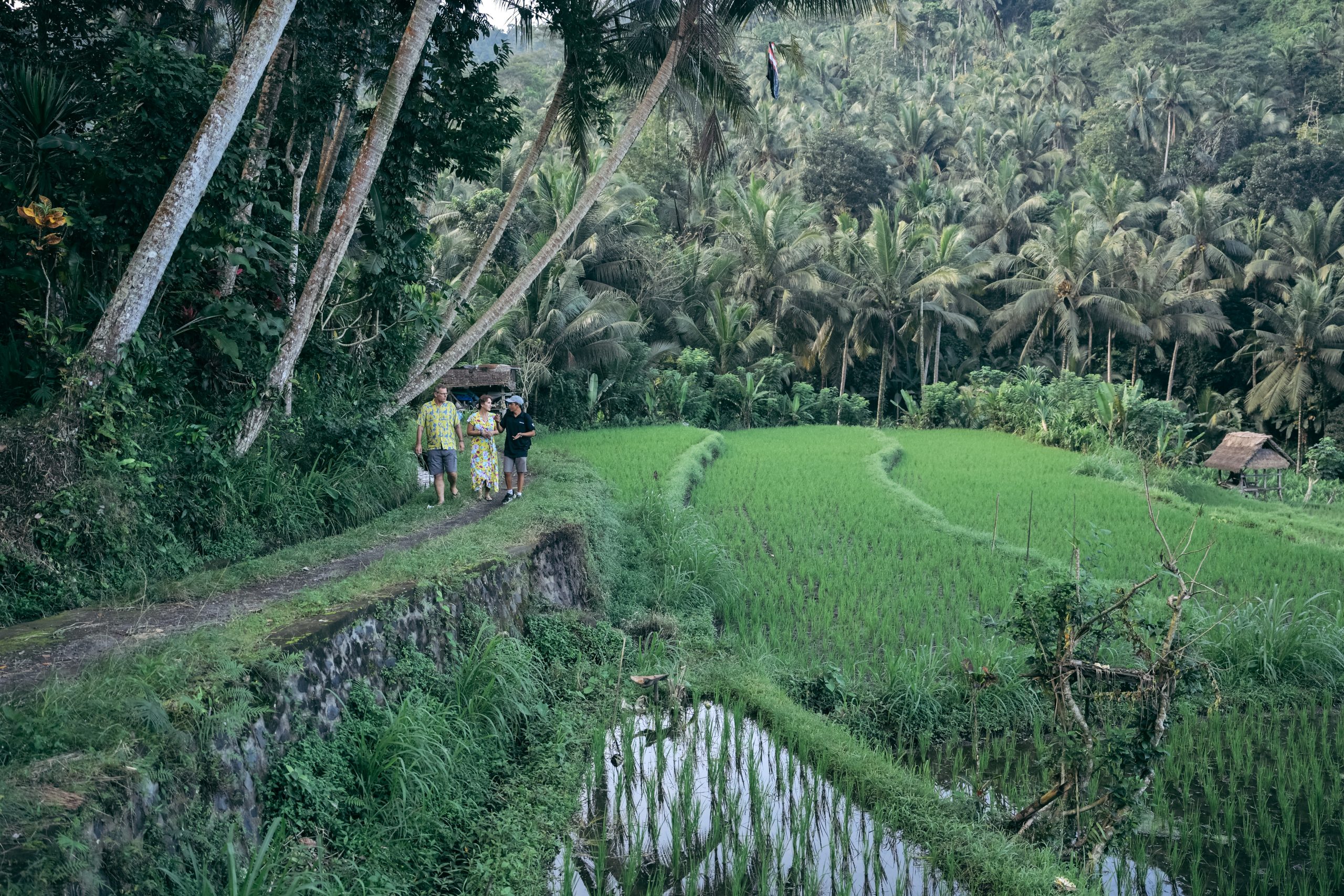
Few sights capture Bali’s beauty quite like its terraced rice fields. Cascading down hillsides, these emerald steps tell the story of a people who mastered water and shaped the land into both a food source and a spiritual heritage.
At the heart of this harmony lies the Subak system, a community-based irrigation practice recognised by UNESCO as a World Heritage tradition. More than engineering, Subak is a philosophy, water is shared fairly, reflecting the Balinese Hindu belief in balance between humans, nature, and the divine.
The Cultural Meaning of Rice in Bali
Rice in Bali is more than a staple food. It is a sacred gift, tied to rituals, festivals, and offerings to Dewi Sri, the rice goddess. From planting ceremonies to daily canang sari offerings, rice is woven into every part of Balinese life.
Visiting the rice terraces is not just about admiring a landscape; it’s about entering a living culture where farming, spirituality, and community are inseparable.
Kaura’s Organic Connection
In Manggis, Kaura has become part of this ancient tradition by working with local farmers to revive and convert rice terraces into organic production. This shift preserves soil health, protects waterways, and ensures that farming remains sustainable for generations.
Guests can walk the terraces with village guides, learn how organic rice is grown, and even plant or harvest alongside the farmers themselves. For many, it is a chance to reconnect with the land, slow down, and understand how food, culture, and spirituality flow together.
Beyond the View: An Invitation to Participate
Unlike the busier tourist spots of Ubud or Jatiluwih, the terraces of Manggis remain quiet, authentic, and deeply tied to community life. At Kaura, visitors are welcomed not as spectators, but as participants in a way of life that has endured for centuries.
Final Thought
The rice terraces of Bali are a masterpiece of both nature and culture. Through Kaura’s immersive experiences, you’ll discover that each grain of rice carries a story of balance, resilience, and reverence for the land.