From Rice to Renewal: How Kaura Bali Transformed a Leaking Pipe into a Living Retreat
A Humble Beginning in the Rice Fields
In the heart of East Bali’s Manggis village, Kaura’s eco retreat story began not with architecture or design, but with something far simpler: water. A broken irrigation pipe had left the rice terraces unproductive and the community struggling. For generations, rice farming was the lifeblood of Manggis, but without a steady water supply, families faced hardship, and hope seemed uncertain.
In 2019, Kaura partnered with local leaders and Bali Rare Paduraksa (BRP) to repair the irrigation. The return of flowing water revived not just the fields, but also the spirit of the community. With resilience came a vision for something more sustainable: organic farming.
From Subsistence to Sustainable Farming
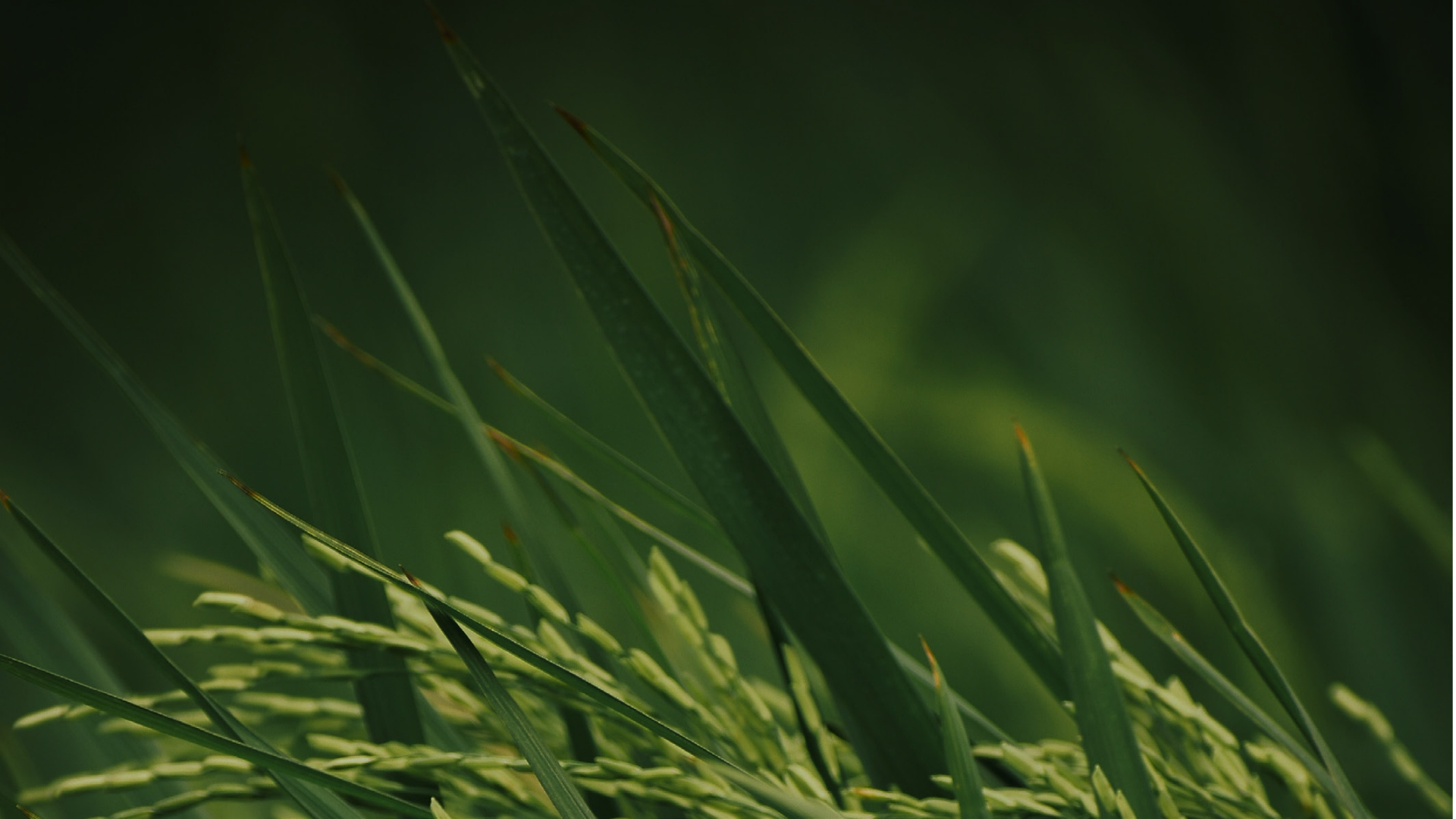
Together with local farmers, Kaura supported a transition to organic farming, an approach that honours Balinese traditions while protecting the land for future generations. By removing harmful chemicals and reviving ancestral practices, the terraces now thrive with rice and vegetables grown sustainably.
Guests at Kaura are invited to step into the paddies, plant rice shoots, and learn about the subak system, Bali’s ancient water-sharing philosophy. These experiences offer more than education; they create lasting connections between travellers and the farmers who sustain the valley.
A Retreat Grown from the Land
The revival of farming gave birth to a greater idea: a retreat where travellers could share in this journey of renewal. Kaura Bali was designed as an immersive eco-retreat, built with the community, for the community. Each pavilion rests gently among the rice terraces, offering comfort without disconnecting guests from the rhythms of village life.
Impact Beyond Hospitality
Kaura is more than a retreat; it’s a model of sustainable tourism. Over the next decade, it is forecasted to generate over USD 3 million in local income through wages, land leases, and community-led experiences. Every guest who stays here becomes part of this impact, helping the Manggis community thrive while experiencing Bali in its most authentic form.
From a leaking pipe to a flourishing retreat, Kaura proves that meaningful travel begins with community. Here, every step in the rice fields is a step toward renewal, for the land, for the people, and for you.